From Hearth to Home: Colonial Baking Workshops
Step back in time, roll up your sleeves and leave with a delicious dish or dessert and the "receipt" to recreate at home.
From Hearth to Home: Colonial Baking Workshops
Step back in time, roll up your sleeves and leave with a delicious dish or dessert and the “receipt” (the 18th-century term for recipe) to recreate at home.
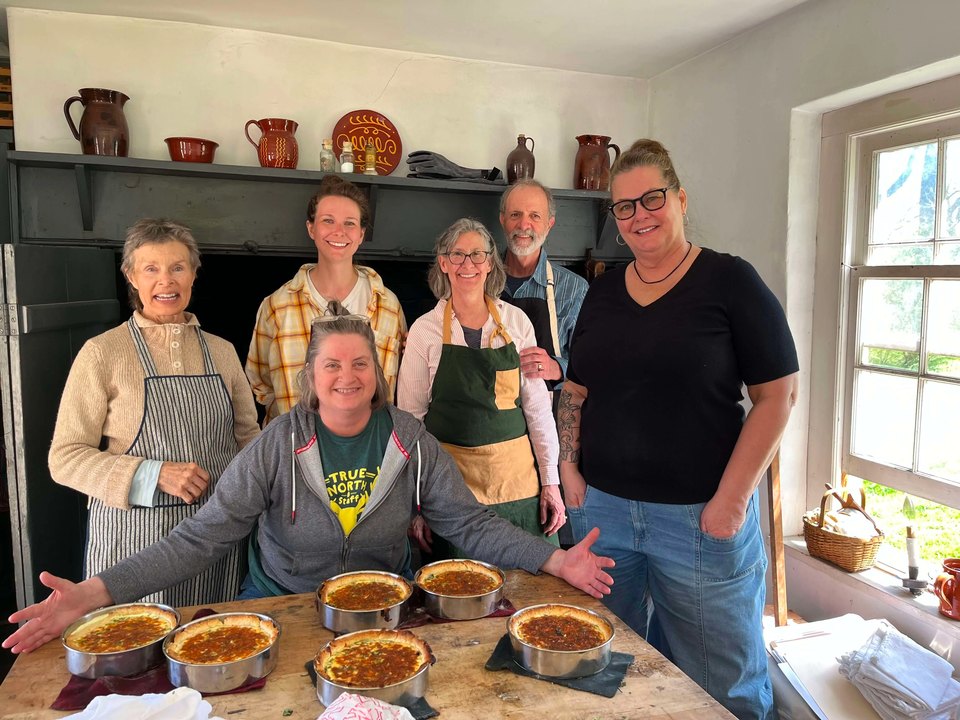
In our new Colonial Baking Workshops, participants work hand-on to prepare a period-inspired recipe in the 1825 Summer Kitchen at Historic Burnside using traditional techniques. After baking, you’ll take your finished treat home to enjoy.
Workshops take place from 11 AM – 2 PM and are limited to six (6) participants to ensure a personalized experience as you learn from veteran hearth cook Joanne Ritter, who has been offering colonial cooking demonstrations for more than two decades.
Each month features a different colonial favorite – from cider cake, to Moravian Sugar Cake prepared from a historic recipe connected to the Zinzendorf family. Whether you’re a history enthusiast, avid baker or simply looking for a unique afternoon with friends, these workshops offer a delicious way to connect with the past.
Participants receive copies of the receipt, along with modern adaptations for today’s kitchens. Please bring a pen or pencil to make notes on your recipe.
About Joanne Ritter
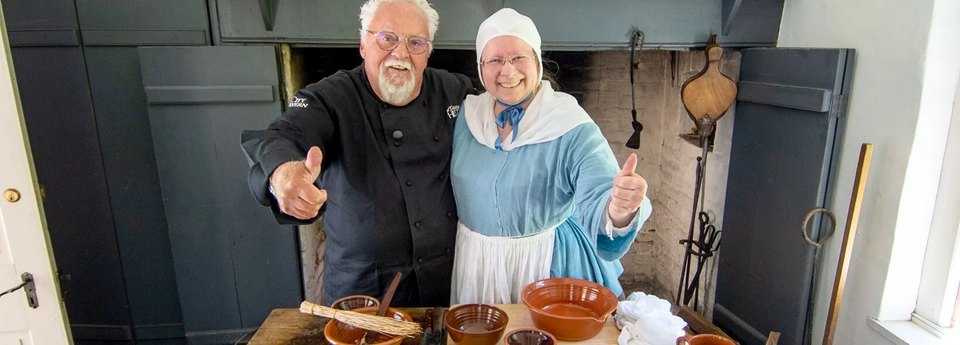
Historic Bethlehem Museums & Sites’ lead open-hearth cook Joanne Ritter has had a lifelong love of history. As a child growing up in Bethlehem – and later as a Girl Scout troop leader – she developed a passion for campfire cooking that would eventually shape her career.
Around 2000, Ritter realized she could combine her love of history and outdoor cooking by becoming an open-hearth cook. She began researching and studying historic foodways, immersing herself in period cookbooks and culinary traditions. By 2002, she was taking hands-on classes and attending lectures and symposiums to deepen her expertise.
Ritter became a demonstrating open-hearth cook at the Bachmann House in Easton, where she also taught hearth cooking classes. In 2005, she joined the Foodways interpretation group at Burnside Plantation and has remained an integral part of the program ever since.
Ritter is a member of the Historic Foodways Society of Delaware Valley (HFSDV) and the Association for Living History, Farming and Agriculture Museums (AHLFAM). A highlight of her career was selecting a historic receipt (recipe) to prepare in the Burnside Plantation summer kitchen hearth alongside Chef Walter Staib for his PBS program, “A Taste of History.”
In her spare time, Ritter enjoys spending time with her family, sewing and gardening.
Workshop Schedule
September 27 – Apple Pandowdy
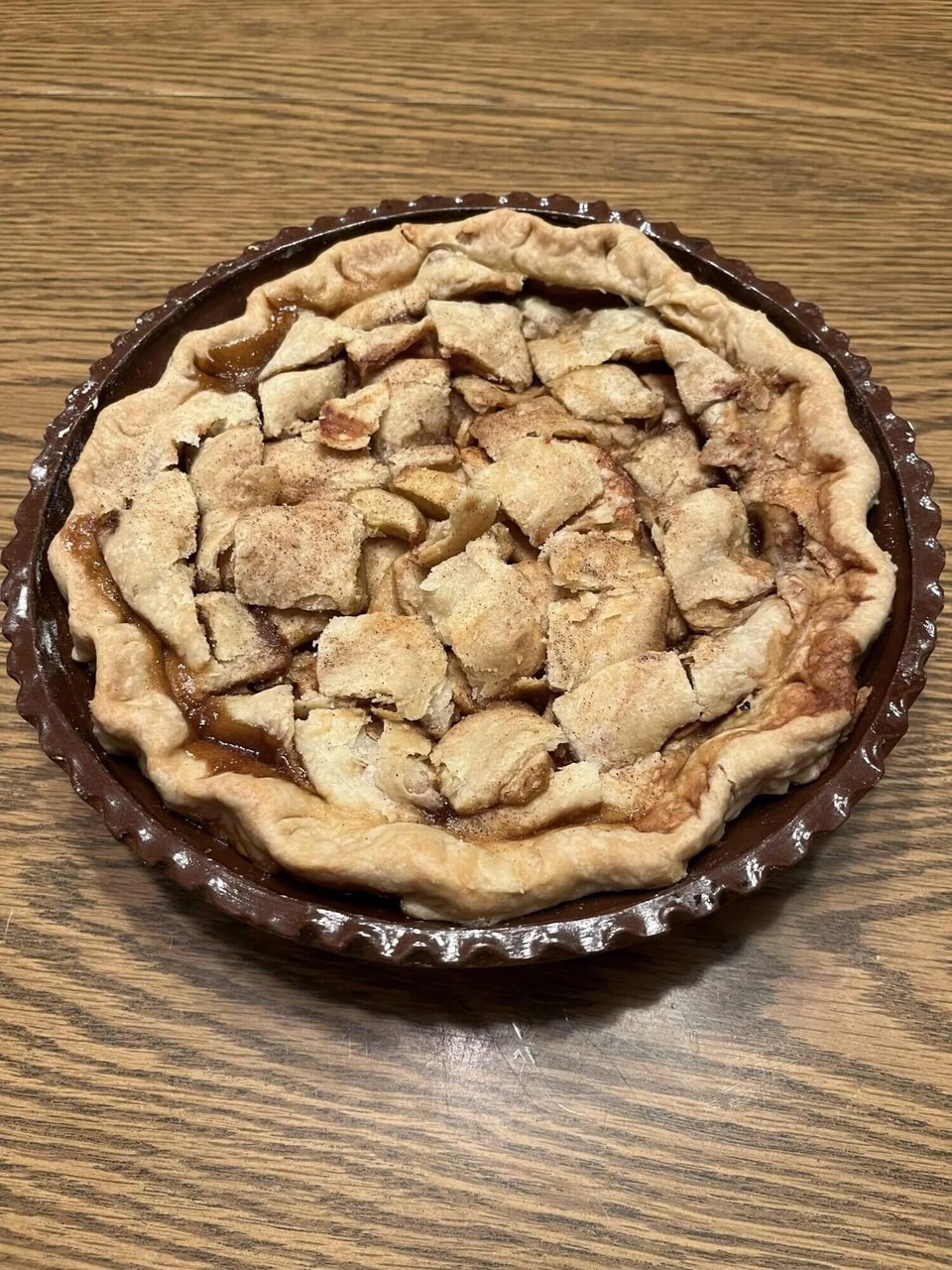
Part pie, part cobbler, Apple Pandowdy has been a Pennsylvania German favorite since the 1700s. The dessert did not appear in print until the early 1800s; before that, it was passed down through handwritten manuscripts.
The dish is also believed to have been a favorite of Abigail Adams, who prepared it for John and their family using crisp, tart Newtown Pippin apples, the same variety cultivated in our orchard at Historic Burnside.
October 4 & October 25 – Moravian Sugar Cake
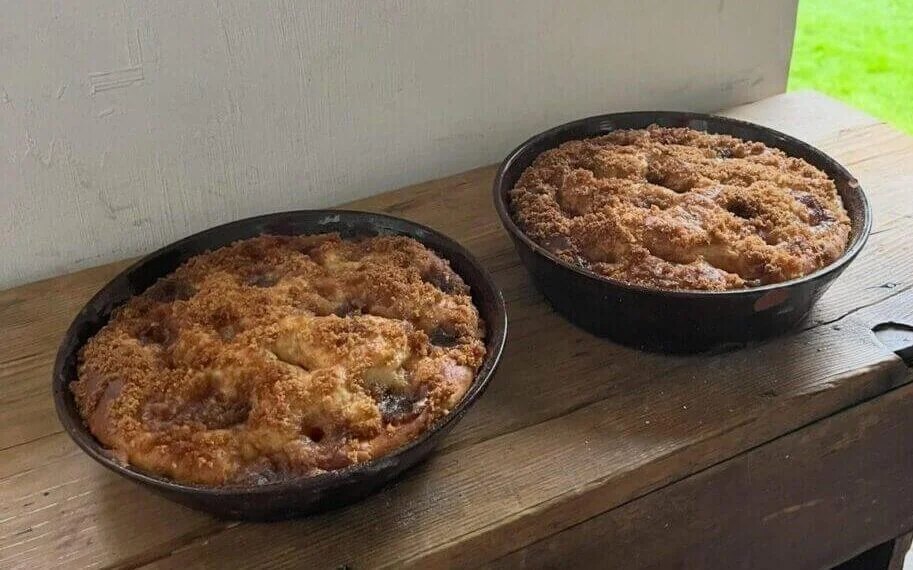
Developed in the mid-18th century by the Moravians, Moravian Sugar Cake was traditionally served during holidays and Love Feasts. Today, it remains an iconic symbol of Bethlehem and the Moravian community. This recipe was shared with one of HBMS’s retired hearth cooks by a Bethlehem Moravian pastor, who noted it once belonged to a Moravian University bishop – a sixth-generation descendant of Count Zinzendorf.
November 8 – Cider Cake
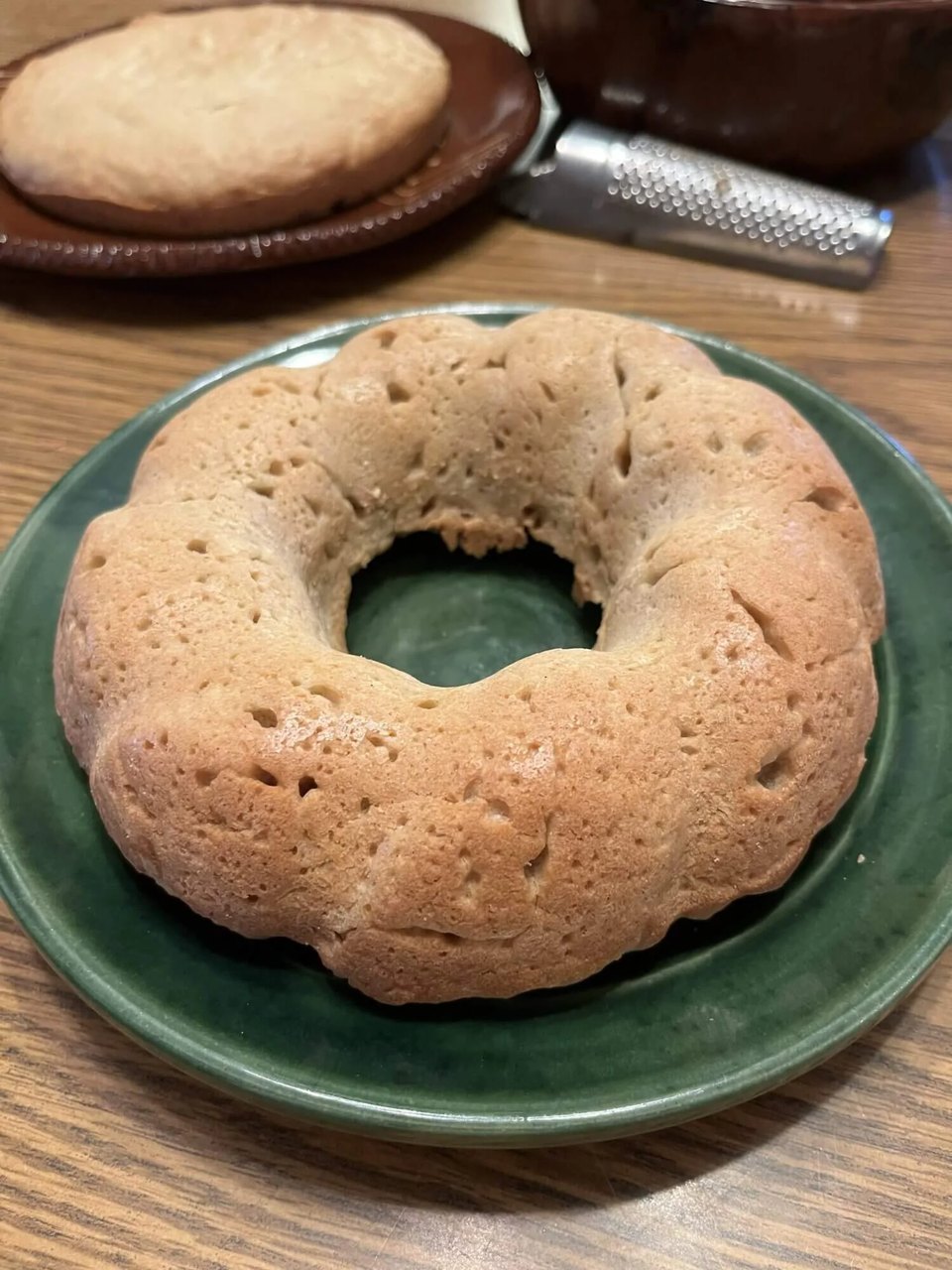
Dating to the mid-1700s, Cider Cake is considered a genuinely American creation – developed in the colonies and built around a distinctly local ingredient. Apple cider, abundant in early Pennsylvania, replaced the imported brandy commonly used in cakes and puddings of the period, making this a practical as well as flavorful innovation. The cake can be prepared with fresh or hard cider; ours will be made with fresh cider.
April 12 & April 26, 2026 – Herb Pie
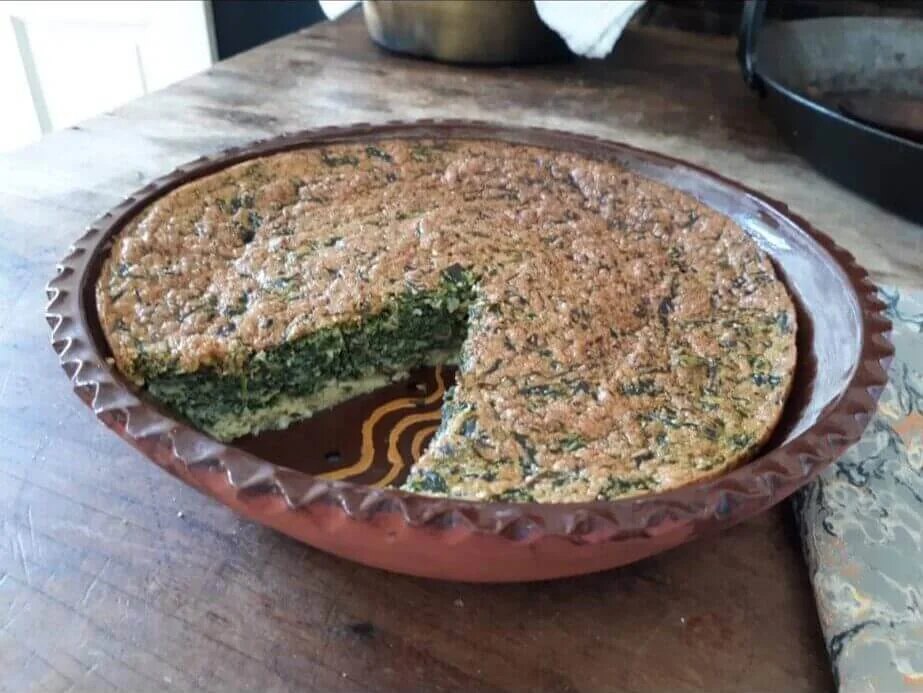
After a winter of salted, dried and pickled foods, herb pie was a welcome spring favorite. Families used whatever fresh herbs and greens were available in their gardens. This adapted recipe, courtesy of Landis Valley, comes from an 18th-century receipt in the manuscript of Lydia Watrous (Waterhouse) Buckingham of Saybrook, CT.
May 17 & May 31, 2026 – Moravian Sugar Cake
Developed in the mid-18th century by the Moravians, Moravian Sugar Cake was traditionally served during holidays and Love Feasts. Today, it remains an iconic symbol of Bethlehem and the Moravian community. This recipe was shared with one of HBMS’s retired hearth cooks by a Bethlehem Moravian pastor, who noted it once belonged to a Moravian University bishop – a sixth-generation descendant of Count Zinzendorf.
June 14 & June 28, 2026 – Lafayette Gingerbread
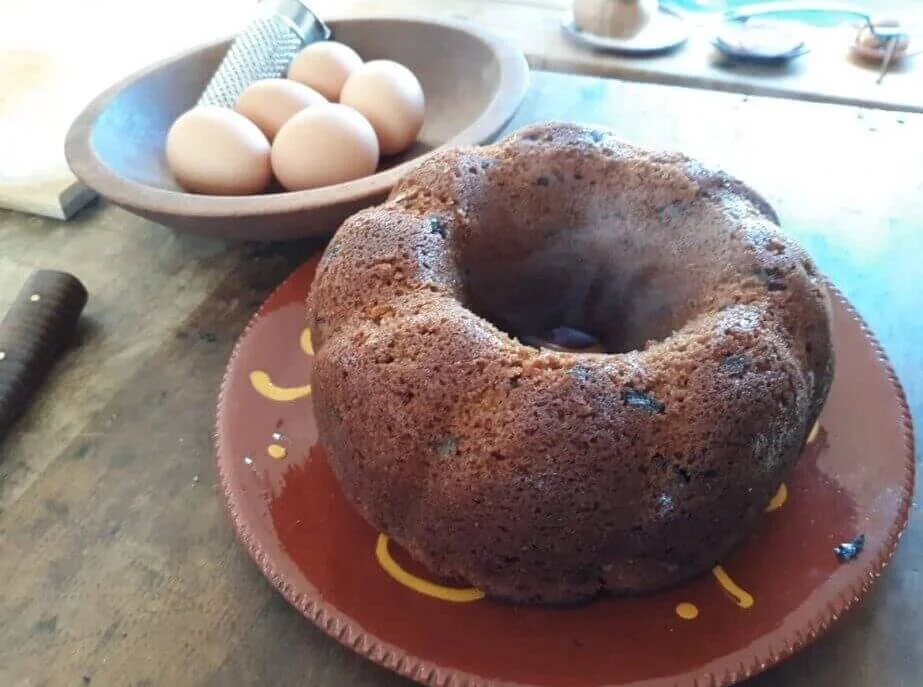
Gingerbread was a favorite in George Washington’s family, with three generations – Mary, Martha and Nellie – preserving numerous receipts (recipes) in their collections. It was customary to serve gingerbread to honored guests. In April 1781, Mary Ball Washington, George’s mother, served gingerbread to the Marquis de Lafayette during his visit and that recipe later became known as Lafayette Gingerbread. Lemon or orange zest was added depending on seasonal availability.