Historic Burnside Guided Tour
Step back in time at beautiful Burnside Plantation, Bethlehem's first privately owned farm and a vital part of the Moravian farming system. This guided tour provides a rare opportunity to explore life on a working farm of the 18th and 19th centuries.
Historic Burnside Guided Tour
Step back in time at beautiful Burnside Plantation, Bethlehem’s first privately owned farm and a vital part of the Moravian farming system. Offered only during the month of May, this guided tour provides a rare opportunity to explore life on a working farm of the 18th and 19th centuries.
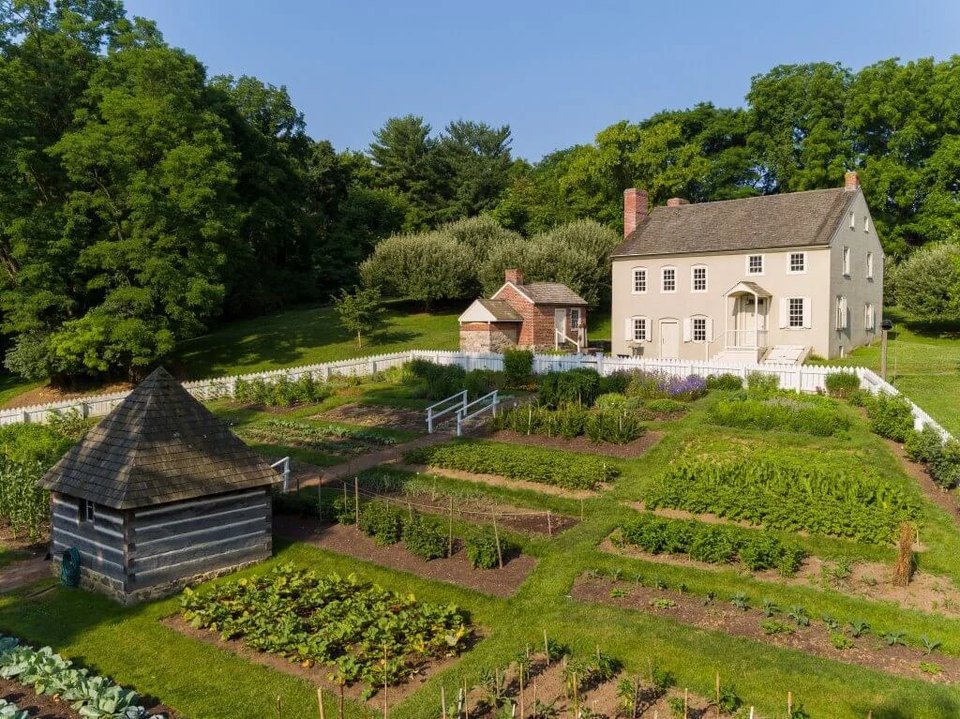
Once part of a 500-acre parcel, the preserved 6.5-acre Burnside farm offers visitors of all ages a vivid look at early agricultural life in Bethlehem. Led by knowledgeable docents dressed in 18th-century attire, the tour takes you inside the Burnside Farmhouse, originally built in 1748 by James and Mary Burnside. You’ll learn about the family who lived here, as well as the period when renowned Moravian organ builders David Tannenberg and Johann Gottlob Klemm crafted instruments on the property.
The tour continues across the farm grounds, including the 19th-century barns, corn crib, wagon shed, heritage apple orchard, award-winning Louise W. Dimmick Kitchen Garden and the beautifully maintained Burnside Gardens, cared for by the Burnside Gardeners.
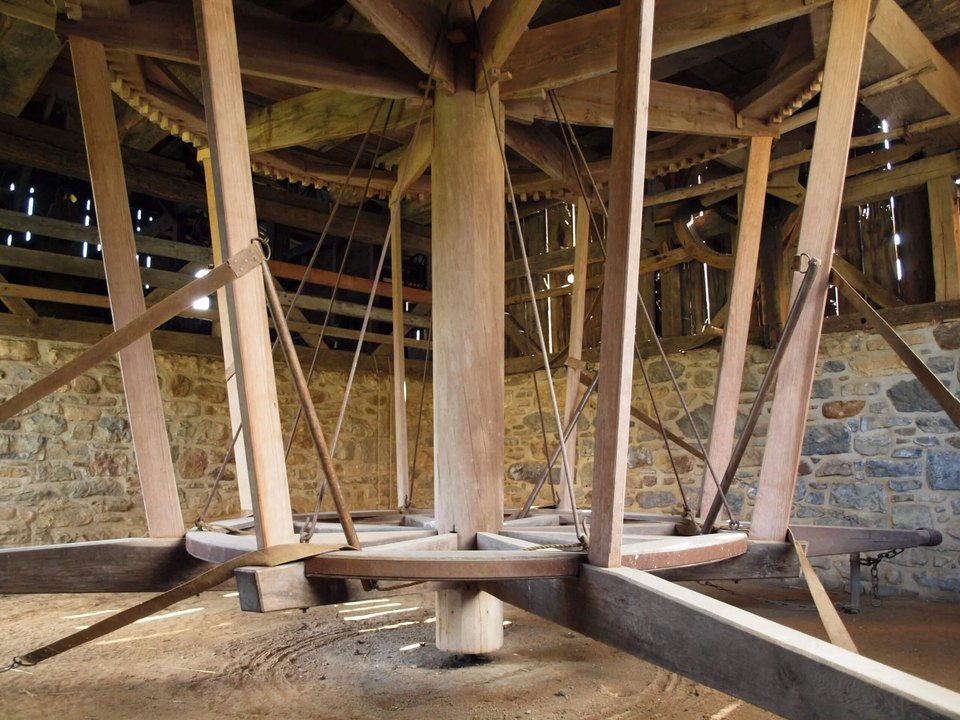
You’ll also see the restored High Horse-Powered Wheel, and ingenious piece of 19th-century technology that allowed one horse to do the work of up to 15 men. Together, the house and landscape reveal how agriculture, craftsmanship and community shaped daily life in early Bethlehem.
Walking Tour Accessibility
Historic Bethlehem’s guided walking tours take you through the heart of Bethlehem’s National Historic Landmark District – the same grounds where history actually happened. Tours typically runs about 90 minutes at a comfortable walking pace, moving along brick and paved sidewalks, a few gentle hills, and some sloped or possibly grassy stretches between stops. It’s part of what makes the experience feel real rather than staged.
If you have questions about a specific tour, or want help planning your visit, call the Historic Bethlehem Heritage Concierge Service at 1-800-360-TOUR (8687). We’re happy to walk through the details with you and find the right fit.
What is the typical pace of the tours?
Tours are typically around 90 minutes. This is around 90 minutes of walking and standing, with stops along the way to take in the sights and stories. Seating is available at only a few points along the route.
What is the terrain?
The terrain is a mix of brick and paved sidewalks, with some uneven, sloped, or grassy sections. Comfortable, closed-toe shoes are highly recommended.
Are there inclines or slopes on these tours?
Most routes are gently sloped. The Bethlehem and the Revolution, Birthplace of Industry, and Mystery & History Tours include a steeper paved incline between the Historic District and the Colonial Industrial Quarter. It’s a great chance to see the landscape that shaped the city’s industry.
Are there stairs on the tours?
The Grist Miller’s House, Burnside Farmhouse, 1741 Gemeinhaus, and the Single Sisters’ House are original 18th-century buildings without elevators, so there is a flight or two of steeper historic stairs. Guests on the Branching Out Tour, which includes the Gemeinhaus and the Single Sisters’ House, and the Birthplace of Industry Tour, which includes the Grist Miller’s House, are welcome to remain on the main floor. Our guides are happy to describe what is on the other floors, and Branching Out Tour attendees can watch a video at the Gemeinhaus showing what they would see on the second floor of the building.
Are the tours wheelchair and mobility device friendly?
Many outdoor sections of our tour routes are navigable with a manual or power wheelchair. Some brick and sloped areas may be more challenging for certain devices, and we’re glad to help you find the route that works best.