Moravian Care and Cure: Bethlehem Medicine During the Revolution
July 23, 2026 - April 25, 2027 Learn how distinctly Moravian values, communal responsibility, structured living, and a holistic understanding of health gave rise to a medical community that was ahead of its time.
July 23, 2026 – April 25, 2027
During the American Revolution, Bethlehem’s Moravian community cared for the sick and wounded in ways that distinguished them from nearly every other colonial settlement. In an era when trained physicians were scarce, treatments were often harsh or experimental, and hospitals were barely more than crowded rooms full of suffering men, the Moravians built something remarkable. Their doctors, nurses, and an exceptionally well-stocked apothecary developed an organized system of healing that blended clinical expertise, spiritual care, and careful attention to the rhythms of daily life, producing a medical culture that was unusually clean, disciplined, and humane for its time.
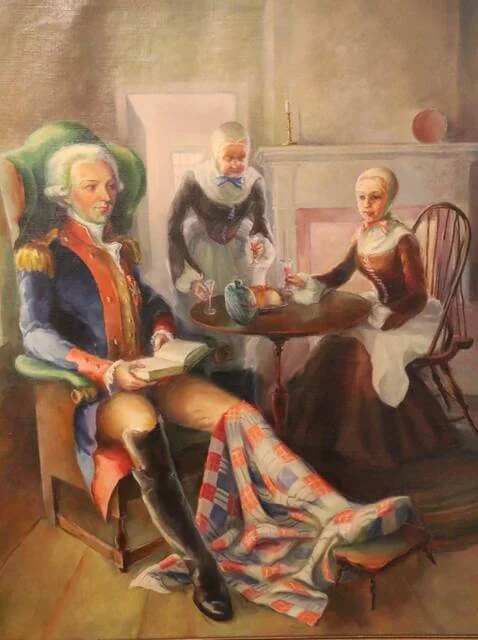
That system was put to the test when the Revolutionary War arrived at Bethlehem’s doorstep. Wounded Continental Army soldiers flooded into hastily converted hospital spaces and high-profile patients such as the Marquis de Lafayette sought recovery under Moravian care. The Brethren’s House became the primary hospital site, with Moravian residents relocating or adjusting their daily lives to make room for hundreds of wounded soldiers.
As conditions worsened and more patients arrived than the building could hold, tents were set up nearby, turning the surrounding area into an expanded field hospital. Lafayette’s experience illuminated both the sophistication of Moravian medicine and the deeper tensions that wartime inevitably creates around privilege, resources, and competing obligations.
This exhibition examines how distinctly Moravian values, communal responsibility, structured living, and a holistic understanding of health gave rise to a medical community that was ahead of its time. Through personal diaries, surgical instruments, apothecary records, and stories drawn from the war itself, exhibition visitors will discover moments of genuine innovation and courage, as well as the difficult, often painful decisions about who received care, in what order and why.